Digital Wallets Surpass Traditional Payments in Growth
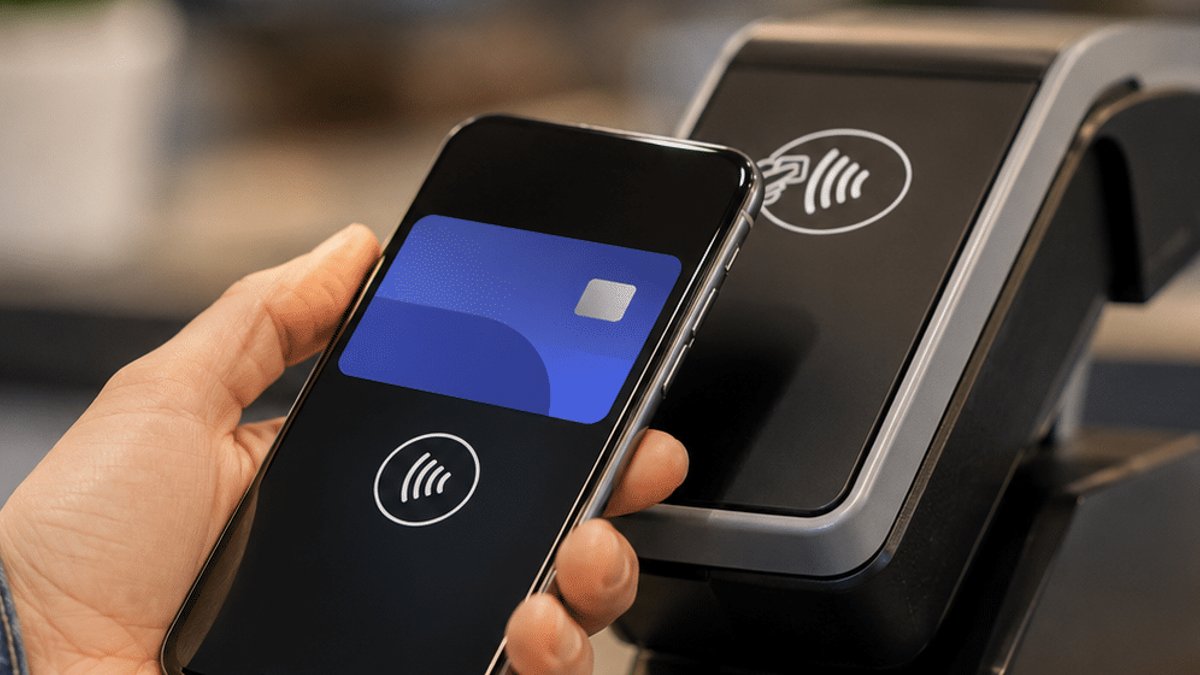
Consumers are turning to payment apps and digital wallets at a rate that now exceeds traditional cash or check use, according to a recent survey of more than a thousand U.S. adults.
Survey shows rapid growth in digital payment adoption
The WSFS Bank 2026 Money Trends Survey recorded 1,022 respondents. It found that 73% of them regularly use a payment app this year, up from 67% in 2023. Digital wallet usage also rose, with 64% of participants employing the technology regularly compared with 54% three years earlier. By contrast, cash or check remains the next most common method, but its share fell to 47% from 50%.
Card‑based options still dominate the broader payment mix. When asked about changes in debit‑card usage, 41% said they use it more often, while only 15% reported a decline. Credit‑card activity saw 32% of respondents using them more frequently and 25% using them less. Cash usage showed a mixed picture: 32% said they rely on it more, yet 28% indicated a decrease. “Buy now, pay later” solutions were used more often by 21% of those surveyed, though 19% said they used them less.
Bank executives weigh the shift toward digital tools
Shari Kruzinski, an executive vice president and chief consumer banking officer at WSFS Bank, told Digital Transactions News that the trend could reshape how banks view debit‑card programs. “If reliance on debit cards continues to grow, financial institutions will need to reposition debit from a basic checking account utility into a primary cash‑management tool,” she said.
She added that this repositioning would turn debit into “an empowering tool for real‑time financial wellness rather than just simple transactions.” The comment reflects ongoing adjustments after the Durbin Amendment’s debit interchange cap, which prompted many banks to trim rewards tied to debit cards.
When asked why some respondents plan to use credit cards less in 2026, 36% cited a desire to save more and spend less, 32% wanted to pay down debt, and 31% were concerned about high interest rates. Those motivations hint at a broader consumer response to current economic pressures.
From a practical standpoint, the move toward digital payments may help people keep tighter control over their cash flow. By favoring debit‑linked apps instead of credit products that can accrue interest, users appear to be taking a more hands‑on approach to monitoring balances. This shift could also give banks a chance to provide targeted financial education, helping clients link daily spending habits to longer‑term budgeting goals.
Related: Beyond the City Centre: Finding Stunning Lab Grown Engagement Rings in London’s Suburbs
Convenience is a key driver. The ability to tap a phone or scan a QR code at a checkout line offers immediacy that cash cannot match. At the same time, these tools generate data that users can review to spot patterns, potentially encouraging more disciplined spending.
In everyday terms, the rise of payment apps may mean fewer wallet‑bulging coins and more screens displaying transaction histories. People who once counted cash for groceries might now rely on a smartphone notification to confirm a purchase, which could subtly shift how they think about money.
Industry observers note that the data suggest a habit‑forming process rather than a short‑term reaction to headlines about inflation or grocery prices. “Rather than cutting spending reflexively in response to headlines about inflation or groceries, respondents described something more deliberate,” Kruzinski said. “They’re scaling back non‑essential spending on purpose, asking sharper questions about debt, and actively shopping for better returns on savings.”
Cash is losing ground.
The survey also revealed that a modest portion of respondents are still increasing cash use, indicating that not all payment behavior has migrated to digital channels. Nonetheless, the overall trajectory points toward a more tech‑centric payment ecosystem.
Financial institutions may need to adapt product offerings and communication strategies to align with these preferences. Providing clear guidance on how to use debit‑linked apps responsibly could reinforce the emerging pattern of real‑time financial management.

Mastercard Sees Growth in New Technologies


