Global Cargo Thefts Surge, Warehouses Fortify Security Measures
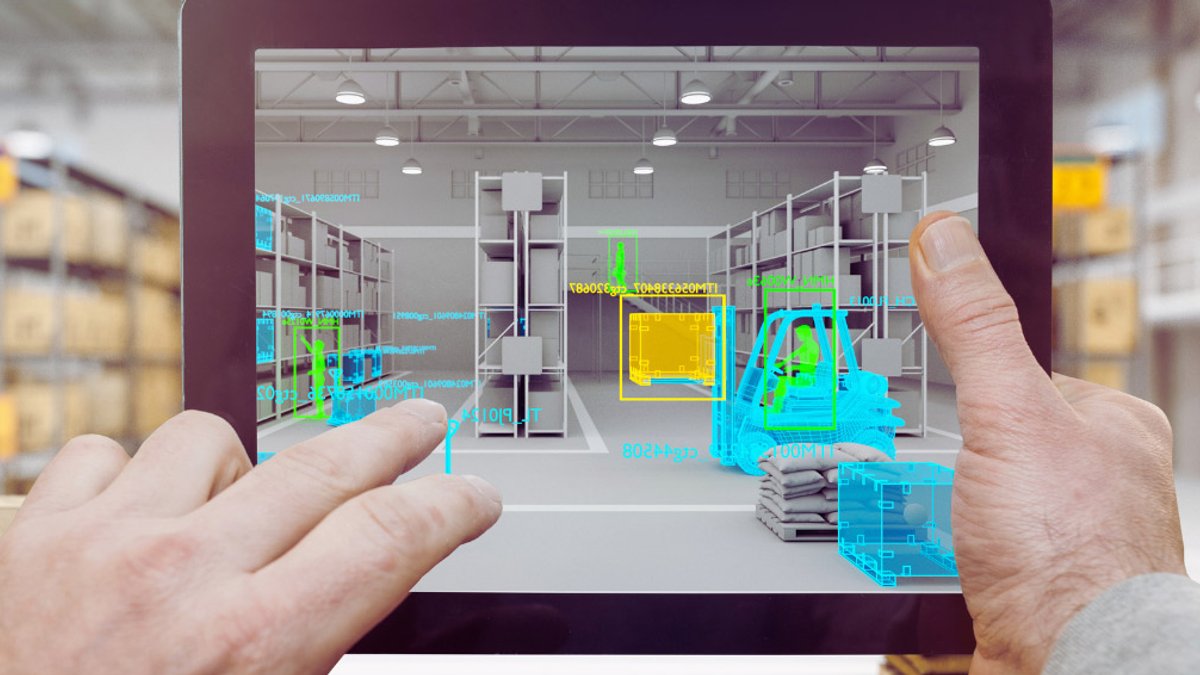
A secure warehouse is now a central concern for companies that ship products worldwide. Rising theft and cyber attacks have pushed logistics leaders to rethink how facilities protect high-value cargo.
In 2025, North American cargo theft losses jumped 60% to $725 million. Over the past five years, global cyber incidents involving warehouses rose by roughly 50%, according to industry reports.
Criminal groups are no longer limited to stealing containers in transit. They are using cloned IDs, falsified paperwork, and impersonated carriers to breach warehouse doors and walk away with merchandise.
Managing who can enter a facility is especially tricky because staff, contractors, and delivery partners each need different levels of entry. Weak entry controls such as tailgating or lost keys can expose valuable inventory.
Perimeter defenses
Reducing the number of entry points and improving visibility are the first steps. Parking lots should be segregated to account for employees, couriers, and visitors. Access to each of these parking lots should be restricted using vehicle access control systems and manned guard stations to ensure all access events are recorded.
The outer boundary must be enclosed by continuous fencing at least 8 feet high, inspected regularly, and surrounded by a 3-foot clear buffer zone. All vehicle access points and the entire perimeter should be covered by continuously monitored and active CCTV systems; consider cameras with AI analytics features that can autonomously detect anomalous events and warn operators via SMS. Lighting systems should be installed at all entry points and around the entire perimeter to eliminate blind spots and ensure cameras can capture clear footage 24/7.
Entry management inside the facility
Facility managers should consider using door access control systems to automatically restrict entry to sensitive areas behind personalized, traceable credentials. Employees can be issued physical tokens like key cards or fobs that grant access only to areas relevant to their roles; couriers and guests can be sent time-based mobile credentials prior to their visit that grant restricted access to low-risk areas like perimeters and dispatch zones. For high-risk areas, access should be secured behind Multi-Factor Authentication (MFA).
Time-based mobile passes are sent to couriers and visitors, granting limited entry to low-risk zones only during scheduled windows.
Loading and conveyance safeguards
Before any truck rolls out, drivers must have their credentials scanned and matched against the Bill of Lading and internal records. Inspectors also check the interior and exterior of each vehicle for hidden compartments.
Seals are applied following the View, Verify, Tug and Twist (VVTT) protocol, ensuring tamper-evidence. High-value pallets receive GPS trackers, giving real-time location data throughout transit.
Read Also: FITT announces educational award winners
Dock doors stay locked with tamper-proof mechanisms when not in use, and security cameras continue recording loading activities to deter opportunistic theft.
Cybersecurity safeguards
Effective protection of server rooms requires traceable credentials and multi-factor authentication for any personnel entering digital infrastructure zones.
Network segmentation isolates operational technology from business applications, limiting the spread of any breach that might occur in one segment.
All data exchanged between warehouse management, surveillance, and access control platforms must be encrypted both at rest and during transmission.
Endpoint detection and response tools continuously monitor devices for anomalous behavior, allowing security teams to intervene before threats compromise physical controls.
Regular vulnerability assessments help identify outdated software components, ensuring that patches are applied promptly to reduce exploitable gaps.
Ongoing operational management
Staff receive periodic briefings on emerging threat tactics, reinforcing the importance of strict visitor verification and credential handling.
Routine audits of access logs enable managers to spot irregular entry patterns and investigate potential insider involvement.
Procedures mandate the removal of obsolete user accounts and the rotation of passwords on a scheduled basis to prevent credential reuse.
Physical inspections of fencing, lighting, and surveillance equipment are conducted weekly, confirming that all components remain functional and unobstructed.


