India marks Dussehra with regional date differences
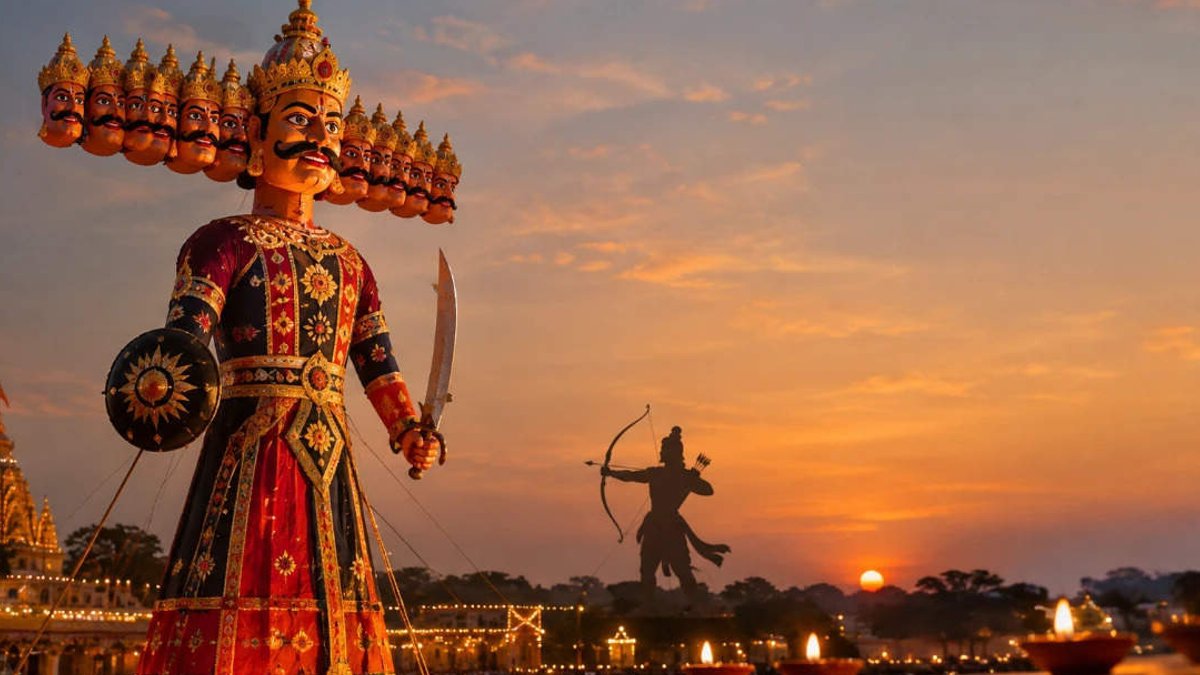
Dussehra 2026 will be celebrated on Tuesday, October 20 across most of India, concluding the nine-day Navratri festival as Vijayadashami. The occasion commemorates Lord Rama’s defeat of Ravana and Goddess Durga’s victory over Mahishasura. However, some states, including Bengal, will observe it on Wednesday, October 21 due to differences in lunar calculations.
The Dashami Tithi, the lunar day marking Vijayadashami, begins at 12:50 PM on October 20 in New Delhi and concludes at 2:11 PM on October 21. This overlap explains regional date variations. For instance, Mysore Dasara in Karnataka will follow October 21, adhering to its traditional calendar.
In New Delhi, the Vijay Muhurat—the most auspicious time for prayers—spans 1:59 PM to 2:45 PM on October 20. Timings differ by city: Mumbai’s window is 2:19 PM to 3:06 PM, Kolkata’s 1:17 PM to 2:03 PM, and Chennai’s 1:52 PM to 2:39 PM. Devotees perform rituals like Aparajita Puja and Shami Puja during these hours to seek blessings for success and prosperity.
Evening events include Ravana Dahan, the symbolic burning of Ravana’s effigy, typically held after sunset. In New Delhi, sunset occurs at 5:47 PM on October 20, though exact timings depend on local Ramlila organizers. Unlike Vijay Muhurat, no nationwide schedule exists, attendees must verify their city’s Ramlila committee for details.
The festival’s cultural impact extends beyond religious observance. In southern India, Ayudha Puja on October 20 involves worshipping tools, vehicles, and machinery, a tradition linked to Mahanavami. Meanwhile, Karnataka’s Jumbo Savari procession features the goddess Chamundeshwari carried on a decorated elephant, a highlight of the state’s celebrations.
Schools and offices in most states will close on October 20, though regional variations apply. Banks follow the Reserve Bank of India’s holiday schedule, which may differ by area. Parents and students should confirm their state’s education department calendar, as some regions extend the Dasara break.
Devotees should note that Saraswati Puja, observed on October 17, honors the goddess of knowledge, while Durga Ashtami and Maha Navami fell on October 19 in the North Indian calendar. This year’s Navratri cycle uniquely overlaps these tithis, where Ashtami and Navami share the same civil date.
Regional customs highlight India’s cultural diversity. North India emphasizes Ramlila performances and Ravana Dahan, while Bengal’s Vijayadashami coincides with Durga Puja’s conclusion, focusing on the goddess’s victory. In Karnataka, Ayudha Puja and the Jumbo Savari procession blend spiritual triumph with communal celebration.
Public event participants should check local announcements for entry and safety protocols. The Dashami Tithi’s extension into October 21 may prompt some communities to adjust celebrations, particularly where lunar timings dictate the festival’s schedule.
The Aparajita Puja and Shami Puja serve distinct purposes in Vijayadashami rituals. Aparajita Puja, performed during the Aparahna period, involves worship of the goddess Aparajita for protection and success. Devotees recite mantras, offer flowers, fruits, and durva grass, and use turmeric, kumkum, and rice grains in their offerings. The ritual is common in North Indian households and temples, believed to ward off negativity and invite prosperity.


