Maha Navami Date Confusion: October 19 or 20
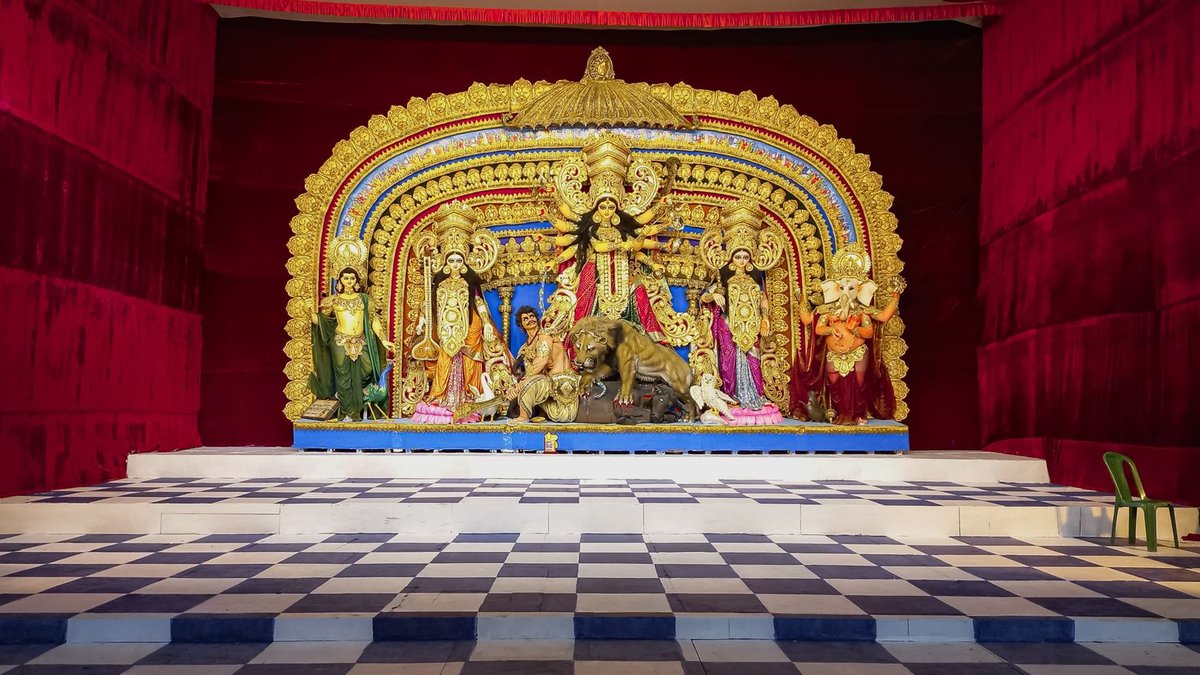
However, some regional festival calendars list October 20, creating confusion about the correct date. Navami Tithi commences at 10:51 AM on October 19 and concludes at 12:50 PM on October 20, according to the New Delhi panchang.
The variation in dates stems from Navami Tithi spanning two calendar dates in 2026, while regional customs follow distinct methods for determining observance days. The Sharad Navratri calendar marks Maha Navami on October 19, when devotees honor Maa Siddhidatri, the ninth avatar of Goddess Durga. In contrast, Bengali Durga Puja traditions schedule Maha Navami on October 20. Consequently, both dates appear in calendars for separate observances; worshippers must adhere to their local panchang and their puja committee’s guidelines.
Key Details for 2026:
- Maha Navami according to the Sharad Navratri calendar: Monday, October 19, 2026
- Navami Tithi Start Time: 10:51 AM, October 19
- Navami Tithi Conclusion: 12:50 PM, October 20
- Bengali Durga Puja Maha Navami: Tuesday, October 20, 2026
- Sandhi Puja muhurat: October 19, approximately 10:27–11:15 AM
Maha Navami celebrates the divine strength of Goddess Durga and her triumph over malevolent forces. Devotees worship her as Mahishasuramardini and seek prayers for safety, bravery, and prosperity. In Bengali Durga Puja, the day features elaborate rituals, offerings, and the Navami Homa, following Maha Ashtami and preceding Vijaya Dashami, when the Goddess is ceremonially bid farewell.
Related Post: Maa Katyayani Puja on Navratri Day 6
This day also signifies the culmination of Durga Puja’s key days. Ritual sequences may differ based on regional calendars and family customs.
Step-by-Step Maha Navami Rituals
First, Prepare the Worship Space. Cleanse the sacred area, set up the idol of Goddess Durga, and gather flowers, incense, a diya, fruits, sweets, and other offerings before beginning the puja. Second, Initiate with Invocation. Light the diya and incense, then offer prayers to Goddess Durga. The priest or devotee invokes the deity and performs rituals according to familial traditions. Third, Conduct Durga Puja. Present flowers, fruits, sweets, and other permitted items to the Goddess. Devotees may chant Durga mantras and recite prayers for her blessings related to vigor, wellness, and protection. Fourth, Present Pushpanjali. Pushpanjali, or the flower offering during prayer, is integral to Bengali Durga Puja.
Devotees follow the priest’s directions while offering blossoms and praying to the deity. The exact timing and availability of Pushpanjali depend on the puja committee’s schedule. Fifth, Perform Navami Homa. Navami Homa ranks among Maha Navami’s primary rituals. A priest conducts the sacred fire ceremony with prescribed offerings and mantras as part of the Navami worship’s final phase. The Homa timing relies on the puja sequence and the tradition being followed. Sixth, Distribute Bhog and Conduct Aarti. Present bhog to Goddess Durga and conclude the worship with aarti. Devotees may receive prasad after the ritual, based on arrangements at their home or community pandal.
Navami Homa, referred to as Navami Havan in certain traditions, is a sacred fire ritual conducted during Maha Navami. It holds significance in the day’s worship and is typically led by a priest using specific offerings and Vedic or ritual mantras. The Homa symbolizes purification, devotion, and prayers for the household and community’s welfare. In many Durga Puja customs, it occurs near the end of Navami Puja. Procedures, offerings, and timing may vary; attendees at community pujas should review their local committee’s schedule.
Read Also: Maa Kalaratri worshipped on Navratri Day 7
The Navami Homa and Siddhidatri
In the Sharad Navratri tradition, the ninth day honors Maa Siddhidatri, the ninth form of Navdurga. In 2026, Navratri Day 9 coincides with Monday, October 19. Maa Siddhidatri is venerated as the deity who bestows spiritual achievements and divine grace. This alignment creates a rare overlap where the widely observed Sharad Navratri date conflicts with Bengali traditions, forcing households to choose between the two official observances. While the broader festival aligns with October 19, Bengal’s distinct ritual timeline maintains its major celebrations on the subsequent day.
Kanya Puja and Final Blessings
Kanya Puja, also known as Kanjak Puja, is a significant Navratri ritual in many Indian regions. Devotees worship young girls as embodiments of the Divine Feminine, offering them food, gifts, or other customary items. This ritual is typically performed on Ashtami or Navami, depending on family customs and the calendar used. In 2026, worshippers must verify their local panchang before finalizing the date and timing.
The day’s rituals encourage devotees to seek courage, strength, and protection while affirming their faith in the deity. Navami Homa enhances the observances with a sacred fire ritual, while prayers and offerings allow participation in the festival’s spiritual traditions. For Bengali communities, Maha Navami marks a critical phase of Durga Puja before Vijaya Dashami. Devotees visit pandals, attend rituals, offer prayers, and receive bhog during celebrations.


