Maa Kalaratri worshipped on Navratri Day 7
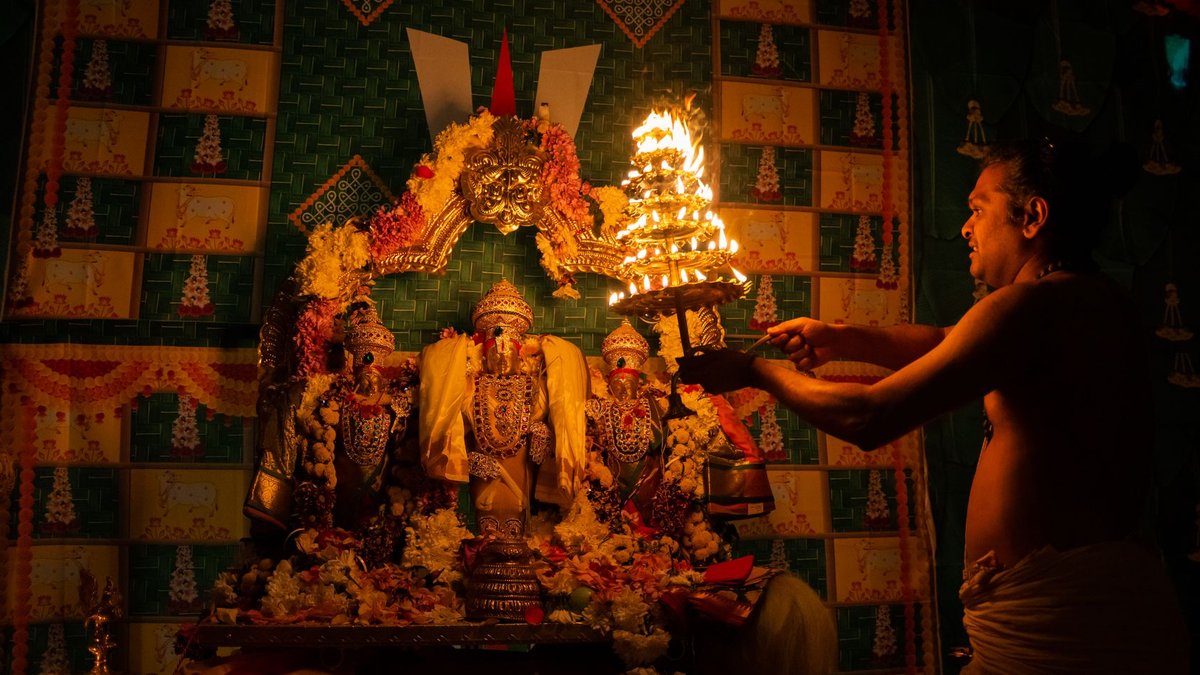
On October 17, 2026, devotees will observe the seventh day of Sharad Navratri, worshipping Maa Kalaratri, Goddess Durga’s seventh form, under Saptami Tithi. Known for vanquishing fear, darkness, and negativity, Maa Kalaratri embodies protection and strength, marking a significant day in the festival’s spiritual observance.
Maa Kalaratri is depicted in a fierce form with a dark complexion, loose hair and three eyes. She rides a donkey and is shown carrying weapons while also offering protection and blessings.
Maa Kalaratri Significance
Despite her fearsome appearance, Maa Kalaratri is also known as Shubhankari, meaning the one who does good. Her worship is associated with overcoming fear, darkness and obstacles. The name Kalaratri is linked with the darkness of night, while her benevolent aspect as Shubhankari reminds devotees that her fierce appearance is traditionally understood as protective rather than harmful.
Maa Kalaratri is worshipped on the seventh day of Navratri, and her fierce form represents the power to confront and overcome darkness, fear and harmful forces. Her worship is therefore associated with courage, protection and the removal of obstacles.
Navratri Day 7 Puja Vidhi
The puja samagri for Maa Kalaratri includes her picture or idol, rol, kumkum, akshat, red flowers, diya and ghee or oil, incense sticks or dhoop, water, fruits, jaggery (gur) and prasad. The puja vidhi involves taking a bath and cleaning the puja area, lighting the diya and incense, invoking Maa Kalaratri, offering rol, akshat, flowers and water to the Goddess, and chanting Om Devi Kalaratryai Namah.
Related Post: Navratri Day 4: Maa Kushmanda Puja Guide and Rituals
Devotees can also recite the dhyana mantra and perform Maa Durga Aarti. The puja can be performed according to the family’s established Navratri tradition. On Day 7, devotees can worship Maa Kalaratri with devotion, offer jaggery as bhog, chant Maa Kalaratri’s mantra, wear grey if following the popular Navratri colour tradition, and continue Navratri fasting according to personal and family customs.
Navratri Day 7 Colour and Bhog
The popular colour for Navratri Day 7 on October 17 is grey. Grey is traditionally associated with stability, balance and a calm approach during difficult situations. Devotees who follow the day-wise colour tradition can wear grey clothes or include the colour in their puja arrangements.
Jaggery (gur) is a commonly offered bhog for Maa Kalaratri on Navratri Day 7. Devotees may offer plain jaggery or a traditional sweet prepared with jaggery and distribute the prasad after the puja.
Navratri Day 7 Vrat Food
Those observing a Navratri fast can follow the fasting rules traditionally practised in their household. Common vrat foods include fruits, milk and curd, makhana, sabudana, kuttu flour, singhara flour, samak rice, potatoes and permitted vegetables. People with medical conditions, older adults, children and pregnant women should follow appropriate dietary advice rather than fasting strictly.


