Bank of England rate rise threatens growth
The Bank of England’s decision to raise interest rates has sparked concern among economists and businesses, with some warning it could put a choke hold on growth and bring hardship to thousands. The rate hike, which increased interest rates by a quarter of a percentage point to 4 per cent, is the first rise in more than three years.
High street giant Next has already warned that shoppers are cutting their spending ahead of Christmas, as the squeeze on household budgets gets tighter. Meanwhile, BT is set to axe thousands more jobs, having already slashed over 11,000 positions this year.
Housebuilder Vistry is closing half of its regional operations and sacking staff to reduce its mounting debt pile, due to falling demand for its homes. This follows news that Britain’s biggest brick maker, Ibstock, has slashed brick making by a fifth because demand collapsed.
Economic Concerns
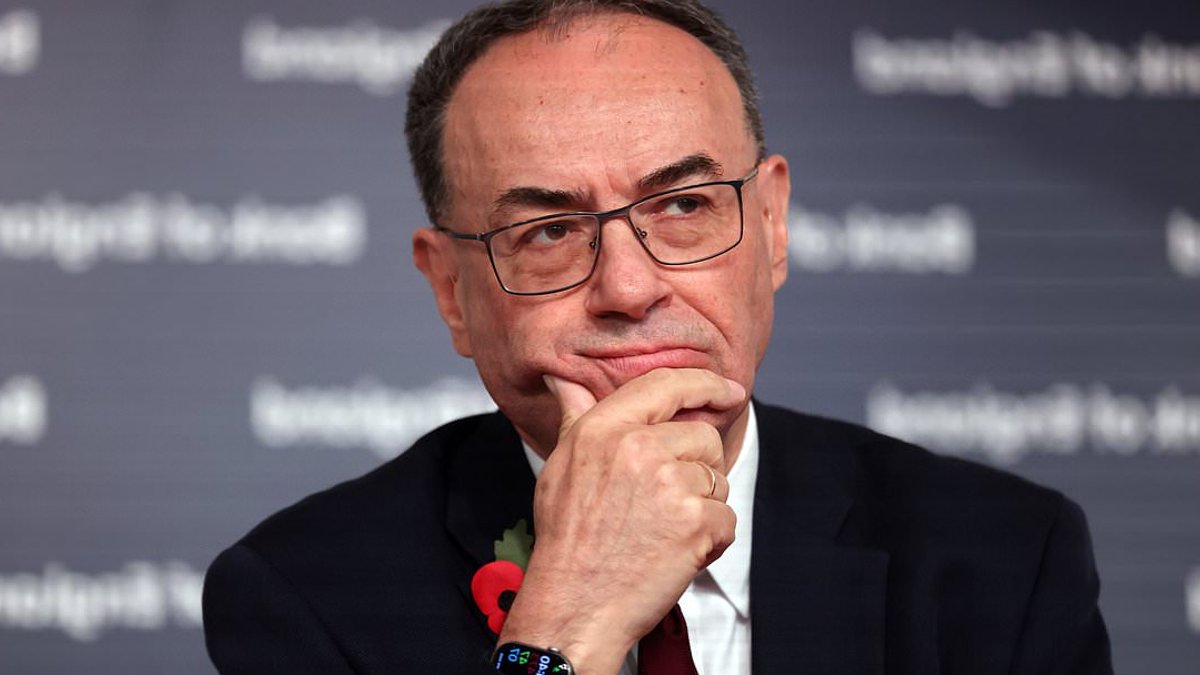
These signs of economic weakness have raised questions about the Bank of England’s decision to raise interest rates. Governor Andrew Bailey warned that there may be more rate rises to come if the Middle East conflict continues, pushing energy and fuel costs even higher.
The Bank of England’s decision contrasts sharply with the gloomier economic outlook just released by the Office for Budget Responsibility. The Treasury’s official economic advisor now predicts the economy will expand by only 1 percent next year, while inflation is expected to hit 3.75 percent—far more pessimistic than the Bank’s own projections.
Despite a sharp drop in oil prices following President Trump’s midterm election loss, Bank of England Governor Andrew Bailey insists inflation risks remain. Households will face another price hike in January when energy regulator Ofgem increases electricity costs by up to 27 percent.
Impact on Businesses and Households
Data from Moneyfacts shows the average two-year fixed-rate mortgage now stands at 5.97 percent, up from 4.83 percent at the beginning of the year. Borrowers are now paying over £2,000 more annually on their mortgages since Trump’s initial military actions against Iran.
Nearly nine out of ten of all home mortgages are on fixed-rate deals, which have risen sharply over the past year because forecasts suggest rates will keep climbing. As these increases are now baked in, it is possible that the cost of some fixed-rate offers could fall despite the rise in the base rate.
A Silver Lining
With 2.3 million mortgages due to expire next year, a potential fall in fixed-rate offers could be good news for households. This development could provide some relief to those struggling with rising mortgage costs, although it is unlikely to offset the overall impact of the rate hike.


