EU committee eases 2035 car emissions target
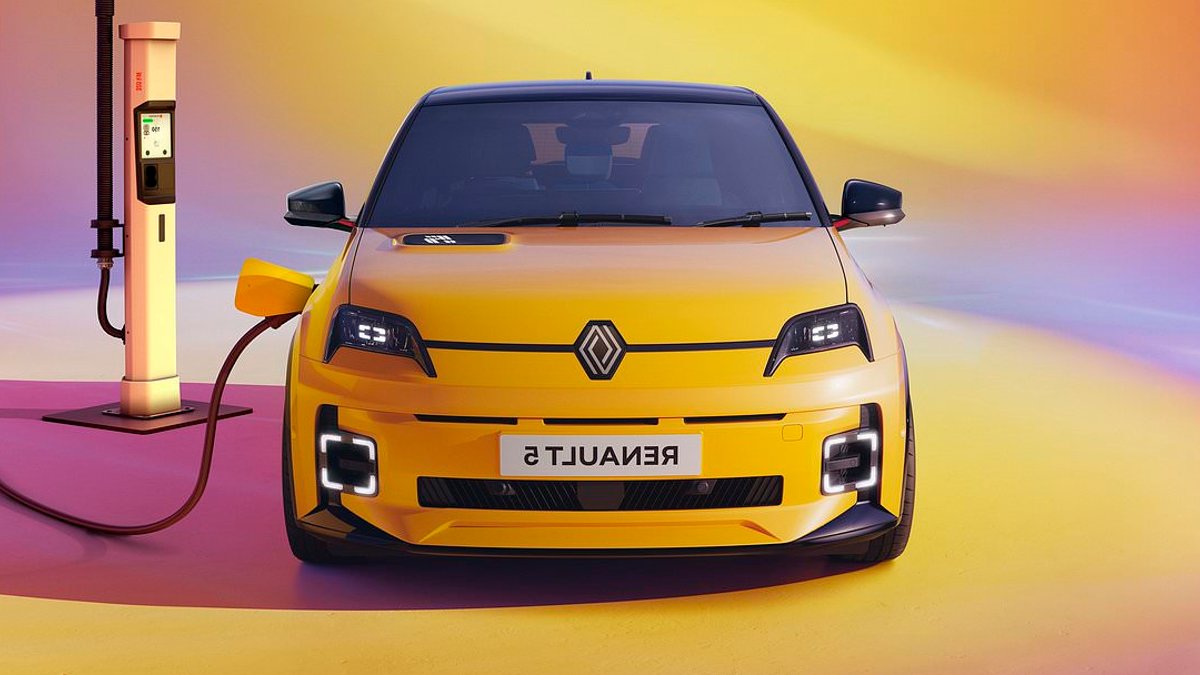
The EU Environment Committee voted Friday to lower the 2035 emissions target, a move that will let a limited share of hybrid, petrol and diesel cars stay on the market after that date. The decision directly challenges the bloc’s original plan to ban all new combustion-engine vehicles by 2035.
EU softens 2035 emissions rule
Committee members approved a reduction of the CO₂ cut for cars from 90% to 87.5% against 2021 levels, and for vans from 90% to 80%. This adjustment means the ban on pure-fossil models is no longer absolute.
Under the revised scheme, manufacturers may continue selling a small proportion of hybrid, petrol and diesel models beyond the middle of the next decade. The change is intended to keep more vehicle choices available for drivers who cannot or do not want to switch to full electric power.
Industry response in Europe
Automakers have pressed Brussels for a softer timeline, citing high battery costs and rising competition from lower-priced Chinese brands. Their lobbying helped shape the new rules that preserve some market for internal-combustion cars.
Read Also: Bank of England rate rise threatens growth
The proposal also introduces “super-credits” for small electric cars produced in Europe. These credits are meant to boost sales of affordable EVs while supporting the regional automotive supply chain.
Massimiliano Salini, vice-chair of the ENVI committee, stated that registering combustion engine cars without compensation obligations would remain possible, protecting technological freedom and restoring prospects for the entire supply chain.
UK faces similar pressure
Britain’s Labour government is reviewing its Zero Emission Vehicle (ZEV) Mandate, which currently requires manufacturers to sell 33% electric cars this year, rising to 80% by 2030. The ban on new pure-petrol and diesel cars from 2030 remains in place.
A consultation that closed in October suggested the EV sales target could be cut from 80% to as low as 50% by the decade’s end. If adopted, hybrids would fill the remaining share of new-car registrations.
Read Also: Poundland owners face pressure to save jobs amid sale uncertainty
Transport Secretary Heidi Alexander said, “The end goal hasn’t changed – but we need to take business with us on the journey, and that’s exactly what we’re doing today, by making sure industry has the chance to shape how we get there.”
The Department for Transport is also reconsidering the role of plug-in hybrid electric vehicles (PHEVs). Ministers have promised a response to the review by early 2027, a timeline that will give the automotive sector time to adjust production plans.
The Society of Motor Manufacturers and Traders (SMMT) argues that recent growth in EV sales has come at an unsustainable cost, with manufacturers spending billions of pounds on discounts and incentives to meet increasingly demanding sales quotas.
If the EU formally adopts the softened rules, drivers who prefer conventional engines will retain more options.


