Maa Katyayani Puja on Navratri Day 6
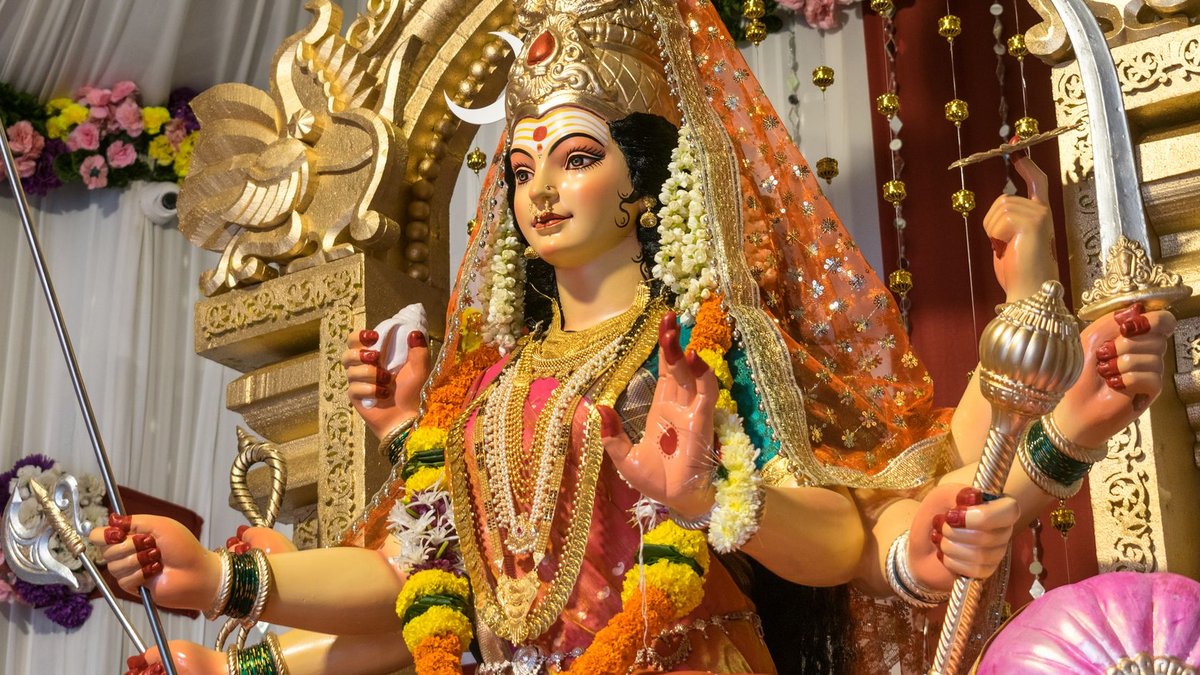
On October 16, 2026, Navratri Day 6 will honor Maa Katyayani, the sixth form of Goddess Durga. Known as a warrior manifestation, she symbolizes courage, protection, and determination. Devotees seek her blessings for strength, confidence, and a harmonious married life. Her fierce yet benevolent form represents the divine power that protects and restores righteousness, inspiring followers to face challenges with wisdom and resolve.
Who Is Maa Katyayani and Why Is She Worshipped?
According to Hindu tradition, she emerged to defeat the demon Mahishasura and restore balance between good and evil. Her worship signifies the victory of righteousness over negative forces. Named after Sage Katyayana, who invoked her through penance, she embodies the divine response to devotion and the collective prayers of the gods.
The goddess is named after Sage Katyayana, who performed penance to invoke her. She is often depicted riding a lion and carrying weapons like a sword, symbolizing her role as a protector and destroyer of evil.
How to Perform Maa Katyayani Puja on Navratri Day 6
Devotees can observe Maa Katyayani Puja at home by starting early with a bath, cleaning the worship area, and setting up the goddess’s idol or image. They offer prayers to the kalash established during Ghatasthapana, light a diya and incense, and present flowers, rice grains, kumkum, and sandalwood paste. These offerings are arranged with care, reflecting the devotee’s devotion and gratitude.
A key offering is honey, placed before the goddess as bhog. Worshippers then chant her naam mantra: “Om Devi Katyayanyai Namah”—recited 11, 21, or 108 times. The ritual concludes with aarti and sharing prasad with family. The mantra, when chanted with focus, is believed to invoke her blessings for courage and protection.
Read Also: WhatsApp founder sold company for $19 billion
The color green is traditionally linked to Navratri Day 6, symbolizing growth, renewal, and prosperity. Many wear green during worship to show devotion. This color also represents new beginnings and the confidence to move forward, aligning with the goddess’s qualities.
Maa Katyayani’s Role in Hindu Tradition and Marriage
Maa Katyayani’s story is deeply rooted in Hindu mythology. Troubled by the demon Mahishasura, the gods combined their energies to create Goddess Durga. Sage Katyayana’s penance led to her manifestation as his daughter, giving her the name Katyayani. Her birth and victory symbolize the power of collective prayer and unwavering devotion.
Navratri 2026: Nine Nights, Nine Goddesses
Navratri, a nine-night festival, honors the nine forms of Goddess Durga. Each day is dedicated to a different goddess, with a corresponding traditional color. The festival celebrates the divine feminine in its various manifestations, each representing distinct qualities and blessings.
Starting with Maa Shailputri on October 11, the sequence continues with Maa Brahmacharini, Maa Chandraghanta, Maa Kushmanda, Maa Skandamata, and Maa Katyayani. It proceeds with Maa Kalaratri, Maa Mahagauri, and concludes with Maa Siddhidatri on October 19. Each goddess is worshipped with specific rituals and offerings, reflecting her unique attributes.
The traditional colors are: orange, white, red, royal blue, yellow, green, grey, purple, and peacock green, each reflecting the qualities of its respective goddess. These colors are worn by devotees to align themselves with the energy of the day’s deity, enhancing their spiritual connection.


