JPMorgan partners with Klarna for payments
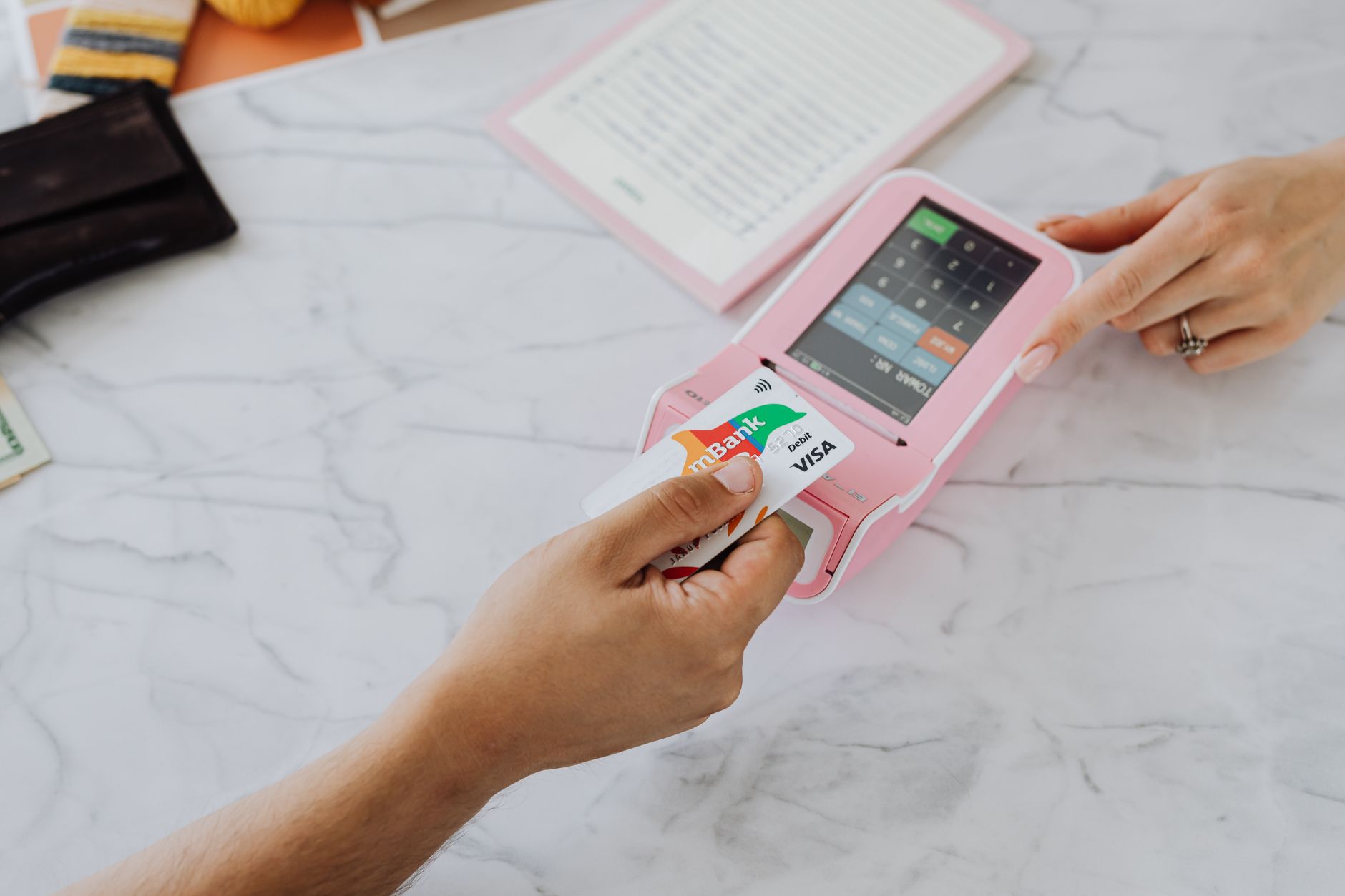
J.P. Morgan Payments has integrated Klarna’s buy now, pay later (BNPL) service into its Commerce Platform, allowing merchants to offer the option at checkout without additional setup.
Seamless checkout for merchants
The integration means businesses using J.P. Morgan’s platform can now enable Klarna’s payment plans—such as pay-in-four or longer-term financing—without building their own connections to the service. Klarna handles the underwriting and customer experience, while J.P. Morgan processes the transactions.
This move follows a broader trend of payment processors embedding third-party financial tools directly into their systems. For merchants, it reduces technical overhead. For consumers, it expands access to flexible payment options at the point of sale.
Klarna’s service is already live for eligible merchants, though neither company disclosed how many have adopted it so far. The partnership comes as BNPL usage continues to grow, particularly among younger shoppers who prefer installment plans over traditional credit.
What the shift means for small retailers
For smaller merchants, the integration could level the playing field. Without it, adding BNPL typically requires negotiating separate contracts, integrating APIs, and managing compliance—tasks that can overwhelm businesses with limited resources. Now, those same merchants can toggle Klarna on with a few clicks, potentially boosting conversion rates without upfront costs.
Related: Sionic and Agentix partner on pay-by-bank tech
That convenience, however, may come with trade-offs. Merchants lose some control over the customer relationship, as Klarna’s branding and terms take center stage at checkout. There’s also the question of whether BNPL’s ease of use encourages overspending, though that debate hasn’t slowed adoption.
The integration arrives as regulators scrutinize BNPL’s impact on consumer debt. The Consumer Financial Protection Bureau has flagged concerns about late fees and the lack of standardized disclosures. Klarna, for its part, has argued its model is more transparent than traditional credit cards, with no compounding interest on its pay-in-four plans.
Broader payment trends in the background
While the J.P. Morgan-Klarna deal grabbed headlines, other developments this week showed the rapid evolution of digital payments. ACI Worldwide reported a 7.3% revenue increase in its June quarter, driven by demand for real-time payment solutions. Shift4 Payments, meanwhile, saw processing volume jump 22% year-over-year to $61 billion.
Fraud remains a persistent challenge. Signifyd’s latest report found e-commerce fraud rose 33% this year, with account takeover attacks surging 78%. The data suggests criminals are increasingly targeting payment systems, not just individual transactions.
J.P. Morgan’s move with Klarna isn’t just about BNPL. It reflects a larger strategy to consolidate payment services under one roof—offering merchants everything from card processing to financing in a single package. For now, the focus is on reducing friction. The long-term question is whether that consolidation will benefit merchants or lock them into a single provider’s ecosystem.

Sionic and Agentix partner on pay-by-bank tech


